

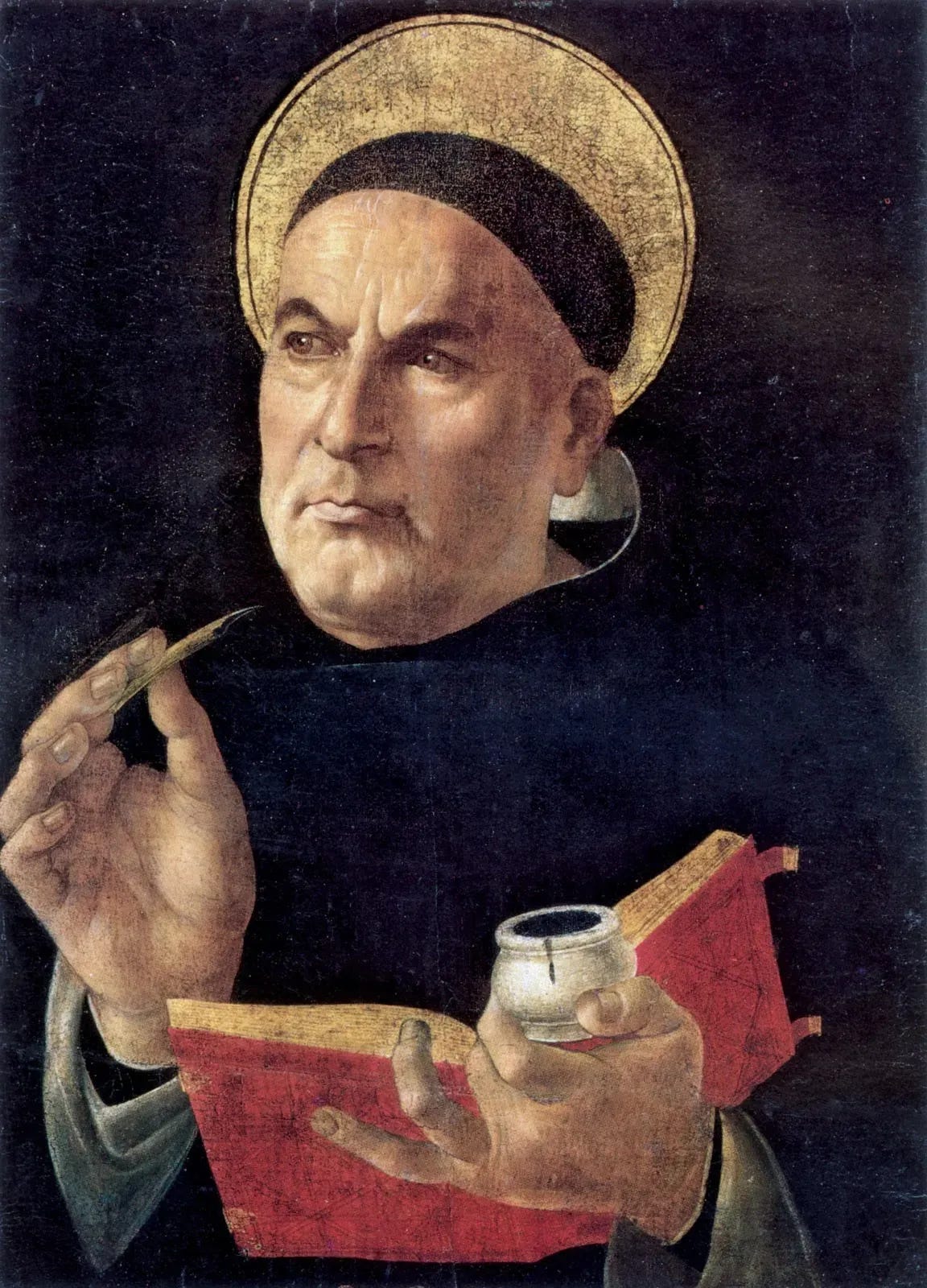
In his Summa Theologiae, St Thomas Aquinas explains that decorum is the virtue wherein one’s speech, behaviour, and comportment is fitting in accordance with their state in life.
Interior decorum is the ordering of one’s desires, emotions, and intentions in accordance with reason which cultivates a nobility of soul known as magnanimity. By cultivating interior decorum, one develops discipline of character which prevents one from acting impulsively.
Exterior decorum is the visible expression of one’s inner nobility and is expressed in one’s speech, dress, manners, and public conduct especially in regards to his relationships with others. Like the other virtues, decorum is not a fixed position but adjusts according to one’s state in life and according to circumstance.
In a modern world that celebrates self‑expression over self‑mastery, decorum reminds us that true happiness is not found in doing whatever one pleases, but in acting as one ought — in a manner according to reason, and proportionate to one’s state in life and place within their community.
We need to rediscover the virtue of decorum because ordered and honourable people create ordered and honourable societies.
IMPERATOR is a reader-supported publication with 2,000+ readers worldwide
Master the ancient virtues. Conquer the modern world.
This is wise and valuable advice for all of us.